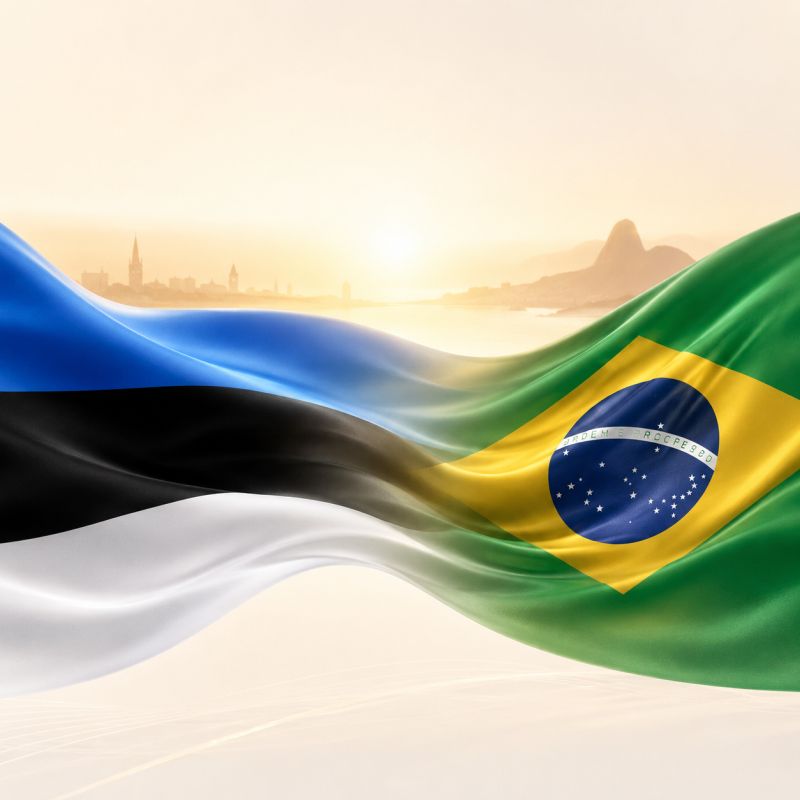
I work primarily in Estonia and with Estonians, but I have an increasing number of clients from all over the world. I suppose there’s a logic to this, since my approach to leadership is somewhat different from what a traditional organization would dare to adopt. Of course, there are many organizations in Estonia that do this as well, but globally there are even more. This is especially true on public speaking stages, which will be one of my main outlets in the future.
Comments from Estonian organizations that “we’re not ready for your approach yet” occasionally surprise me, because Estonia, in fact, has more startups and successful new initiatives per capita than anywhere else—initiatives that have transformed how that business sector operates and are doing things very differently (from the early days of Skype to today’s Bolt and Wise —entire economic sectors have been transformed by their innovations).
I hope that one day Estonia will be the very place from which high-quality leadership is exported to the world, and that we will not simply adopt American solutions that do not fit our cultural context, but rather create something ourselves that would transform the image and approach to management as a business field around the world. As one of my colleagues from Sweden, a leadership trainer, said: it’s time for organizations to change the way we treat one another in the corporate world.
Yesterday, June 29, I officially became a resident of Brazil. I still live and work mainly in Estonia, but going through this process and receiving this document changed something inside me. After leaving the local Federal Police station, the things that had bothered me about Brazil (the list is long, haha) suddenly seemed endearing and familiar.
Although I’m returning to Estonia in just a week (two months earlier than originally planned) and will continue working with many clients right here in Estonia, this one document has somehow changed my worldview. Okay, sure, it’s like a trophy for overcoming the tedious bureaucracy of paperwork and the like, but still… it marked a shift in my perspective on internationalism and a desire to contribute on a broader scale. Especially in today’s world, where the internal cultures of large multicultural organizations are, at times, more important than national cultures themselves.
In any case, it’s an extremely strange feeling, and yet it opens many doors that wouldn’t be open to a tourist. From a very different sense of belonging to the right to have opportunities similar to those of locals—for example, working in Brazil or opening a local bank account with a local ID number, etc.
Perhaps this is just one step toward bringing a new approach to leadership to the world? As one of the beta readers for my next book wrote to me: “Your book is like a breath of fresh air in a room filled with stale air from the old management paradigm.”
But the point of this post isn’t to promote my next book—there’s still plenty of time before it comes out anyway, and all of this will be forgotten—but simply to share this train of thought: that perhaps this “we’re not ready yet” is simply a form of timidity or fear of the unknown—and that, by giving ourselves permission to move forward, we begin to notice the broader impact of our actions and the broader world’s influence on our actions—in other words, the extent to which everything is ONE.